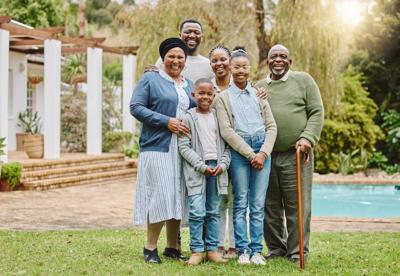


Photo provided by DepositPhotos
American families are buying homes differently. In 2024, multigenerational households made up 17% of home purchases, a record for the segment.
That figure raises an obvious question: Who is buying these homes, and why now? The data answers both.
One in Five Gen X Buyers Bought a Multigenerational Home in 2024
The buyers leading this trend are not first-timers or retirees downsizing. They are middle-aged. One in five, or 21%, of Gen X buyers and 12% of older millennials purchased multigenerational homes in 2024.
That spread matters. When two adjacent generations both make the same housing choice, you are looking at a pattern that is broadening, not a one-off blip tied to a single age group or a single year's interest rates.
People are also reading…
Cost Savings Drives 36% of Multigenerational Buyers, Caregiving a Quarter
The reasons are practical before they are sentimental. More than one in three buyers, 36%, cite cost savings as the primary reason for bringing all three generations under one roof, up from 15% in 2015. Caregiving runs a close second. One quarter, 25%, of multigenerational home buyers say caring for aging relatives is a primary factor.
There is pressure on both ends of the family. Half of Gen Xers who care for their parents also have a child under 18, and 56% financially support their parents, their kids, or both. At the same time, almost one third of adults aged 18 to 34 live at home, a number that has surged more than 87% over the past two decades.
Put those together and the math gets crowded fast. The same household can hold a grandparent who needs support, a working couple in their peak earning years, and an adult child who moved back. Three generations, one kitchen.
The Numbers Are Smaller Than the Headlines, but the Trend Is Real
Definitions matter here, and they explain why estimates vary. Census data puts the figure at about 6 million U.S. households, roughly 7.2% of family households and 4.7% of all households. The home-purchase share is higher because it measures new buying decisions, not the existing housing stock. Both numbers can be true at once, and read together they point the same way: More families are choosing to live close.
Builders Add Flexible Rooms and Single-Level Layouts for Bigger Households
A house built for two does not automatically work for six. As demand grows, some architects and builders are responding with flexible designs, including accessible bathroom features and multi-purpose main-floor rooms that can convert to bedrooms as needs change. Single-level living has gained ground, with 21% of people 55 and older naming ranch-style homes as their dream home.
The same logic extends outdoors, where three generations can spread out. Indoor square footage gets tight when grandparents, parents, and kids all want to gather at once. A defined, weather-protected outdoor space gives everyone a place to land without competing for the same room. For owners building a permanent backyard gathering spot, a covered aluminum pergola from The Luxury Pergola adds shade for older adults and open air for kids in a space that stays usable across seasons.
Why the Family Home Is Becoming the Hub Again
For most of the past half-century, the cultural script ran the other way: kids grew up, moved out, and visited on holidays. The current data describes a reversal. With caregiving demands rising and housing costs high, the home is turning back into a shared base rather than a launchpad.
The notable part is who is steering it. This is not nostalgia from one generation. It is a strategy adopted by buyers in their working prime, with a younger generation following the same path. Whether it holds as interest rates and home prices move is the open question. For now, more families are choosing to put everyone under one roof, and the buyers leading that choice are the ones still in the middle of their careers.