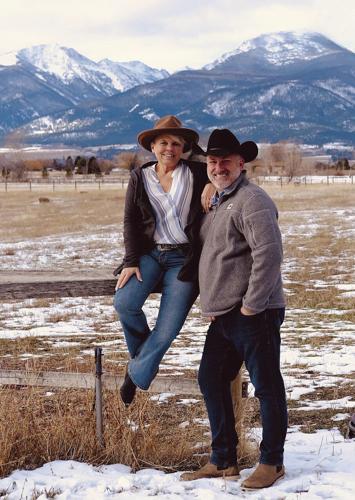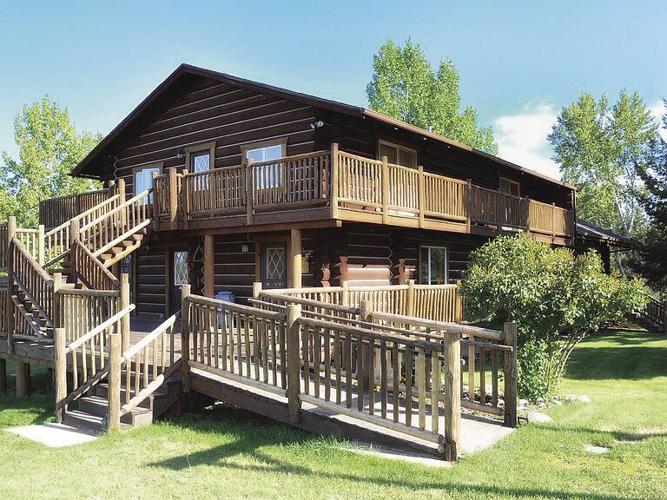

Christmas came early for The LifeGuard Group, a Montana-based nonprofit organization that works to protect those in our communities against sexual exploitation and human trafficking.The five-year-old organization in mid-December welcomed the first person to its new LifeHouse, a place where rescued victims of human trafficking can stay, heal, and learn to begin a successful new life.“The LifeHouse was a pretty great Christmas present,” said Tami Hochhalter, who founded The LifeGuard Group with her husband Lowell. Human trafficking is a form of modern-day slavery managed by traffickers, which are often organized criminal enterprises, who profit at the expense of adults or children by forcing them to perform labor or engage in commercial sex. The number of cases tracked by the Montana Department of Justice has increased by 485 percent since 2015.Hochhalter said LifeGuard began working on the LifeHouse project a couple of years ago and expected it to take several years, but “everything fell into place quickly.” “We had some great people, like Town Pump, jump on board with us,” she said, “and they helped us accomplish a lot in a short amount of time. ”The LifeHouse will provide a longer-term lifeline for rescued victims, Hochhalter said. “We were seeing too many people who had been rescued out of human trafficking end up back in it because there was no place for them to find restoration and no one to help them through the process long-term. ”Those rescued will find not only counseling and therapy at the LifeHouse, but also such opportunities as job training and “just learning how to go into a job interview and work on a day-to-day schedule,” Hochhalter said. The LifeGuard Group also created and now administers the Montana Human Trafficking Hotline: 833-406-STOP (833-406-7867). Hochhalter said Town Pump has played a significant role in promoting the hotline by providing $30,000 to develop, print and distribute anti-trafficking posters. The company has also placed the posters in the bathrooms of their 100-plus convenience stores across the state, Hochhalter said. “One of the few places a girl can go by herself is the bathroom,” she said, which gives victims traveling with a trafficker a chance to see the poster and hopefully “call, and say, ‘I need help.’” “Town Pump has been a huge help in getting the number pushed out there,” she said. Hochhalter said she and her husband first started working in anti-trafficking while in Las Vegas about 13 years ago, but it wasn’t something they were specifically looking to do. “It kind of found us,” she said. An anti-trafficking organization asked them to consider joining the cause, but they were hesitant at first. “We have four kids of our own, three of whom are girls, and when we were first approached to help, our two youngest girls were 12 and 14, which are the average ages of a child forced into human trafficking. ”Though it was “so painful to think about,” they came to a life-altering decision after much deliberation: “If those were our girls, we would want somebody to be willing to jump into the fight and do something about it.” “Now it has become a passion,” she added. “It’s a difficult area to function in every day, but it’s our passion. ”Hochhalter said LifeGuard and its partners are working hard “to bring light to a problem that’s been in the dark for too long.” “We’re so happy that we can make a difference.” For more information: thelifeguardgroup.org or facebook.com/thelifeguardgroup
Sponsored
LifeHouse provides long-term lifeline
1 of 2