

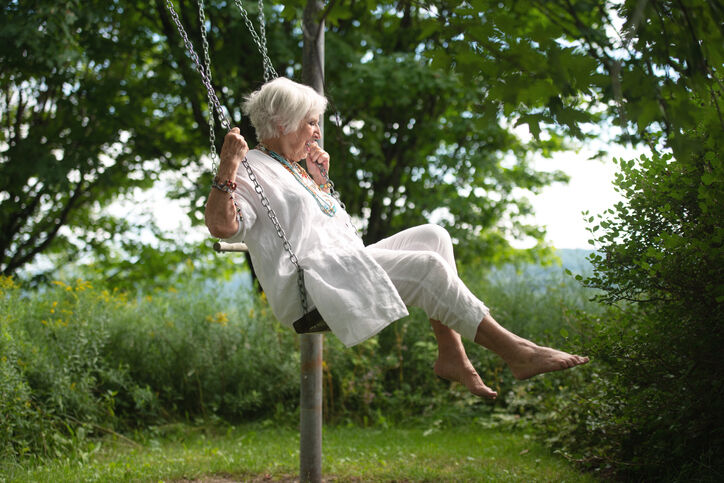
More than worries
Anxiety and its effects, plus coping exercises and strategies
Jill Christensen | Mayo Clinic New Network
Anxiety is often described as sustained and excessive worry that a person cannot control related to the anticipation of a future threat, such as a traumatic event. At times, anxiety can significantly and adversely affect our daily lives, work, relationships and overall happiness. Anxiety also can manifest as an irritable, worried, restless and debilitating stress response lasting minutes to days. Most everyone has had anxiety surrounding a stressful situation.
Effects of anxiety
Anxiety becomes an obstacle when it affects our day-to-day lives. Anxiety can negatively affect people at home, work, school and socially.
Emotionally, anxiety can appear as excessive worry, fatigue, irritability, panic attacks, paranoia, poor concentration, restlessness or sleep disturbances. Left untreated, it can increase a person’s risk for depression, even suicide.
Physically, anxiety can appear as chest pain, diarrhea, headache, increased heart rate, muscle aches, shaking, shortness of breath or sweating.
Left unchecked, anxiety can further strain our mental health, increasing the risk for poor communication and poor decision-making.
And for many people, anxiety is isolating, because people do not want to participate in normal activities. Anxiety can affect your willingness to take new steps or adventures in life due to fear.
Countdown to calm
People have many different approaches for how they cope with anxiety. Mindfulness meditation is a technique where you focus on being intensely aware of what you see and feel in the moment, without interpretation or judgment. Practicing this type of mindfulness involves breathing methods, guided imagery and other practices to relax the body and mind to help reduce stress. Recent research shows mindfulness meditation may be as effective at reducing anxiety as medication for some people.
Try this exercise the next time your mind is stuck on the worry setting:
Sit quietly. Look around you and notice:
5 things you can see: Your hands, the sky, a plant on your colleague’s desk.
4 things you can physically feel: Your feet on the ground, a ball, your friend’s hand.
3 things you can hear: The wind blowing, children’s laughter, your breath.
2 things you can smell: Fresh-cut grass, coffee, your perfume or cologne.
1 thing you can taste: A mint or gum, the last thing you ate, the fresh air.
This exercise helps you shift your focus to your surroundings in the present moment and away from what is causing you to feel anxious. It can help interrupt unhealthy thought patterns.
Other ways to counteract anxiety
In addition to mindfulness meditation, there are many tactics you can try to help combat anxiety, including:
- Behavioral therapy.
- Deep breathing.
- Exercise.
- Journaling.
- Reading.
- Socializing.
- Speaking with your healthcare professional.
- Spirituality.
- Thought reframing.
Try different things to see what works best for you.
Additional support
A person with anxiety can seek support from a therapist, medical professional, family member, friend, community support person, crisis line resource or a crisis center. Depending on the severity of your anxiety, a behavioral therapy plan, anti-anxiety medication and coping mechanisms may be recommended for your situation.
Regardless, it’s recommended that you speak to a health-care specialist if any of these situations occur:
- Your anxiety becomes an obstacle — in any aspect of everyday living, often causing difficulties for six or more months.
- Your anxiety negatively influences relationships — creating barriers in life.
- Your anxiety leads to isolation — producing thoughts of hopelessness or helplessness.
- Your anxiety controls your life — when your emotional or physical response to excessive worry controls your life in some aspect or another.
Recognition of anxiety is a key factor in dealing with excessive worry and moving forward in life. If you have any of the above symptoms or have difficulty controlling worry, ask yourself if it could be the anxiety you’re experiencing. It’s important to share any concerns about excessive worry with your health care team so they can help you identify ways to address your anxiety and move past the adverse effects of excessive worry.
Study finds you don't lose when you hit snooze
Nancy Clanton
The Atlanta Journal-Constitution
Just five more minutes … It’s the plea of many people once their alarm goes off . So, they hit the snooze button. Many believe this practice is a bad thing, but there really isn’t any scientific proof it’s harmful. So, researchers from the Department of Psychology at Stockholm University decided to do their own study.
What they found, however, was just the opposite of the assumptions.
“Our findings show that those who snooze on average sleep slightly shorter and feel more drowsy in the morning compared to those who never snooze,” Tina Sundelin, researcher at Stockholm University and lead author of the paper, said. “But there were no negative effects of snoozing on cortisol release, morning tiredness, mood or sleep quality throughout the night.”
The researchers conducted two studies. In the first, 1,732 people answered questions about their snooze habits, with many saying they do so regularly. The common reason was feeling too tired to get up when the alarm went off .
In the second, 31 people who regularly snoozed spent two nights in a sleep lab. On one morning, they could snooze for half an hour, but on the other they had to get up as soon as the alarm went off .
The researchers found on the snooze morning, most participants went back to sleep for 20 minutes or more. Because they eventually awoke from a lighter sleep, they performed better on cognitive tests taken first thing.

Southwest Montana Health Care Directory