

Choose Cherries
Sweet-tart stone fruit has ample health benefits
Andrea Mathis
EatingWell
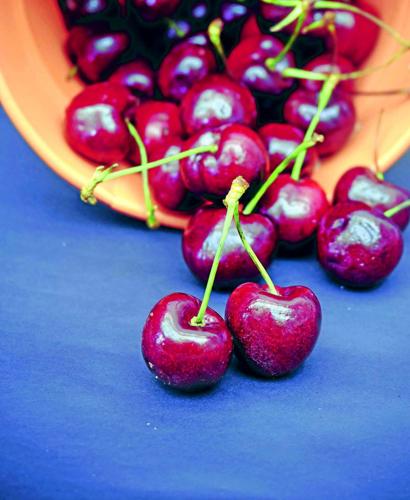
Bursting with a perfect combination of sweet and tart flavors, fresh cherries are one of summer’s most perfect offerings. Pop them in your mouth one by one to enjoy as a sweet and healthy snack, or add cherries to a wide variety of sweet or savory dishes for a dash of flavor and color. Best of all, these small stone fruits also boast some impressive health benefits — making them an even sweeter summertime treat.
1 Fiber and other nutrients
Besides being extremely tasty, cherries pack a ton of nutritional goodness into every bite. They are a great source of vitamin C and also have some potassium, calcium, magnesium, iron and folate. Together, these vitamins and nutrients help maintain your immune system, keep your skin healthy, regulate your blood pressure, help your muscles contract and help maintain muscle and nerve function, among other benefits. They’re also rich in fiber (about 3 grams per cup), which helps promote healthy gut bacteria and can help keep you regular.
2 Anti-aging properties
Cherries are rich in antioxidants, which help to fight free radicals and oxidative stress that contributes to the aging process. According to a review of cherry nutrition research, people who ate cherries and cherry products experienced reduced oxidative stress while enjoying the benefits of a diet rich in antioxidants — and potentially enjoying age-defying benefits like smoother, younger-looking skin.
3 An anti-inflammatory snack
Cherries can help to reduce symptoms of arthritis, gout, cardiovascular disease or another ailment linked to inflammation. Their high concentration of polyphenols provide anti-inflammatory benefits. Studies show that polyphenols, melatonin, carotenoids and vitamins E and C contribute to the antioxidant and anti-inflammatory properties of cherries. These nutrients help to suppress inflammatory proteins and uric acid buildup that can lead to swelling and pain in your joints. Tart cherry juice is also associated with faster recovery post-workout.
4 May help you fall asleep
Before you reach for melatonin supplements to combat sleep issues, try a handful of cherries first. Cherries (and particularly tart cherries) are naturally high in melatonin, which is a sleep-inducing hormone that can help you nod off faster and stay asleep longer. Some researchers recommend eating a handful of cherries a day to reap the melatonin benefits; other studies suggest that a glass of Montmorency tart cherry juice may also help improve sleep.
5 Low-glycemic food
Even though they taste like a treat, cherries may be beneficial if you’re looking for ways to help control, maintain or lose weight. In addition to being low in calories, cherries are a great source of fiber, which may help to control hunger and keep you feeling full and satisfied between meals. Cherries are also a low-glycemic food, which means they only cause a small rise in blood sugar and insulin levels. So how can this help? Studies suggest that a simplified approach to weight reduction that emphasizes an increased fiber intake — rather than a complicated diet regimen — may be a reasonable weight-loss alternative for people who have trouble adhering to traditional “diets.”
Tips from readers on counting calories
Barbara Intermill
In response to recent columns about counting calories, a few readers responded with their own suggestions:
Karen K. in Dallas (who notes she’s the daughter of a dietitian) writes: “As an alternative approach for those who don’t enjoy counting calories, simply cutting portion sizes does essentially the same thing. Portion sizes in the U.S. have gone astronomical, and my husband and I have had great success with portion control. We eat at home mostly, but when eating out, we almost always share an entree. If I am dining with girlfriends, either we split a meal or I immediately ask for a to-go box and put half away for another meal later. Just another perspective to share.”
Thanks, Karen. This reminds me of a patient who came in some years ago with a diagnosis of type 2 diabetes and obesity. She had some intellectual disabilities and needed a simple plan for eating. But she wasn’t willing to change her familiar routine of eating out for most of her meals. She did, however, take to heart a suggestion to eat half her meal and save the leftovers for the next. In a few months, her diabetes was under control and she had lost 38 pounds. Yes, portion control works.
A. Wilson, also from Dallas, reminded me of the old saying, “Eat breakfast like a king, lunch like a prince, dinner like a pauper.”
“You may have to check this out,” he writes, “but John Nance Garner, U.S. vice president from 1933 to 1941, lived to be almost 99 years old (by following this advice).”
I was unable to verify if Garner was the original author of this quote. Some attribute it to the late Adele Davis, a sometimes controversial nutritionist and author. No matter. Some but not all studies have observed that more weight loss may be achieved when a greater percentage of daily calories is consumed earlier rather than later in the day. And you might also like this quote: “Eat breakfast yourself, share lunch with a friend, and give dinner away to your enemy” (from NutritionFacts.org).
Tina N. in Arizona sums up what works for her in this way: “We do not need to diet. We are in good health with low cholesterol and low blood pressure by eating daily for years as follows: Breakfast: All kinds of nuts, raisins and banana in hot oatmeal. Fresh fruits. Lunch: Beef, lamb, fish or chicken with brown rice and herbs, veggies. Fresh fruits. Dinner: Plain yogurt with herbs, veggies and bread. Fresh fruits. Drink fresh milk, green tea, water when we like. Thank you.”
Absolutely! What we eat is as important as how much we eat.
So there you go. There’s more than one way to peel an orange. Just make sure you eat it.

Southwest Montana Health Care Directory