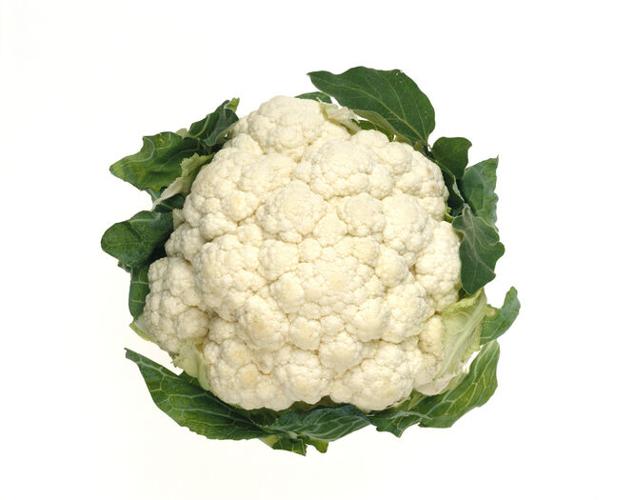


Cauliflower power
5 healthy reasons to enjoy this versatile vegetable
Tonya Russell
RealSimple.com
The goodness of cauliflower goes beyond its ability to become almost anything you can imagine in the kitchen — a crust, a “wing,” a rice, a mash, and the list goes on. Cauliflower’s mild flavor, satisfying texture and chameleon-like versatility make it not only a hearty and nutritious add-in as is but also an inventive and savvy swap for gluten-free, plant-based and refined-carb-conscious eaters.
“Cauliflower is grown seasonally in many climates and locations, so it’s easy to find and budget-friendly — and you can also grow it yourself quite easily,” says nutritionist Sharon Palmer. “It comes in different colors, like pink, orange, purple and green.”
And in terms of nutritional value, although bright and colorful veggies typically get all the attention, don’t let cauliflower’s (often) pale complexion fool you: This member of the cruciferous family is loaded with nutritional benefits, too.
1 Cauliflower is fiber-rich
Recent research estimates that 95% of Americans don’t get enough fiber in their diets. Fiber helps keep you feeling full and satisfied, maintains healthy digestion and regulates blood sugar levels, and meeting your daily requirements can also reduce cholesterol and blood pressure. Specifically, cauliflower is a good source of insoluble fiber, which helps keep things moving in your digestive system.
2 Cauliflower contains lots of vitamins
One cup of cauliflower provides over 75% of the daily value of vitamin C, which means your immune system, metabolism and nervous system get the boost they need. It also contains 20% of the daily value of vitamin K that’s essential for bone formation and blood clotting. A cup of cauliflower also has impressive amounts of vitamin B6, folate and potassium.
3 It has antioxidants to help fight inflammation
Cauliflower’s anti-inflammatory compounds help the body reduce free radicals and lower oxidative stress that increase the risk for chronic diseases like heart disease, Type 2 diabetes and cancer, Palmer says. Eating foods high in antioxidants and anti-inflammatory agents as part of a healthy diet can help prevent and mitigate chronic inflammation and protect your cells.
4 Cauliflower is a source of choline
A cup of cauliflower contains around 45 milligrams of choline, around 10% of the daily adequate intake for women. Our bodies need this essential nutrient for several key functions, including fortifying cell membranes, DNA synthesis, brain development and nervous system maintenance. But since the body only makes a small amount of choline on its own, high-choline food sources are important.
5 Cauliflower may protect against cancer
With antioxidant compounds and the benefits of sulfur, cauliflower could help reduce your risk of cancer. Cruciferous vegetables are associated with reduced risk of colorectal, lung, prostate and breast cancer. This is because the glucosinolates help to fight oxidative stress caused by free radicals.
Words of advice for graduating seniors
Barbara Intermill
Graduation celebrations abound this time of year. Even our 4-yearold granddaughter got into it. With a miniature square cap proudly balanced on her head, she excitedly waved at us the entire time she and her classmates were recognized for completing preschool.
Amid the flurry of high school announcements were two we received from our nephews in New Mexico. And a particularly clever invite came from a young man in our community who is home-schooled by his mom. His announcement proudly informed us that he had earned status as valedictorian, class president and teacher’s pet.
So, dear graduates, no matter where your next stop is after this milestone, I congratulate you. And offer you some sage advice, if I may.
Watch your mouth
And not just what comes out in words. What you put into your body has the power to give you strength or make you weak. More than at any other age, young adults face the greatest risk for nutritional deficiencies that may harm their health in the years to come, say experts.
For example, young women are especially at risk for not getting enough protein in their diets. This nutrient is essential for everything from muscle development to hormonal control. Plan to include protein-rich food such as eggs, lean meat, poultry, seafood, beans, soy products and nuts with each meal. These foods also supply iron, zinc and other nutrients to keep your young body and mind at its best.
Learn to like vegetables
Your mother was right. All colors and types of veggies contribute to fresh-looking skin, resistance to disease and a healthy weight. Researchers say the ones most often missing from young adults’ diets are red and orange such as bell peppers, carrots and tomatoes. In fact, half the space on your plate should be occupied by vegetables, say nutrition experts. Really.
Take care of your bones
They will continue to absorb bone-building nutrients until you’re about 30 years of age, when they reach their peak strength. Gradual bone loss begins to occur after that time. So, think of calcium and protein-rich foods like milk, yogurt and calcium-fortified soy beverages as “money” in your lifetime bone bank. The more you save now, the better you’ll be able to withstand the slow withdrawals of bone mass in the future.
Experiment with good things
Learn how to cook, for example. I guarantee it’s a skill that will come in handy for the rest of your life.
Learn to enjoy all foods, even sweets, in moderation
You may not appreciate it now, but your body needs to carry you through many years to come. Take care of it, and it will take care of you.
Listen to the wise adults in your life
You’ll be one of them someday. Happy graduation!

Southwest Montana Health Care Directory