

Bone Boosters
Best foods for keeping them strong
Caroline Thomason
Environmental Nutrition
Maintaining strong and healthy bones is a cornerstone of healthy aging, and it requires a combination of proper nutrition, adequate energy intake and consistent weight-bearing exercise. Essential nutrients like vitamins D and K, magnesium and protein play crucial roles in bone health, helping to build and maintain bone density. Incorporating specific foods rich in these nutrients into your diet can significantly impact bone health as you age and reduce the risk of osteoporosis and fractures. Here are six of the best foods to make sure your bones are resilient throughout your life.
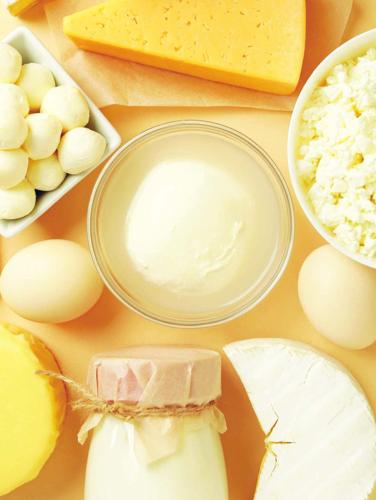
1 Dairy
Dairy products are excellent for bone health, as they are rich sources of calcium, vitamin D and protein. Calcium is essential for building and maintaining strong bones, while vitamin D enhances calcium absorption and bone growth. Protein supports bone structure and repair. Consuming dairy products like milk, cheese and yogurt can provide these vital nutrients, helping to prevent maintain bone density.
2 Prunes
Prunes are uniquely beneficial for bone health due to their composition of vitamin K, potassium, boron and polyphenols, which support bone density and may reduce the risk of fractures. They also contain dietary fiber, calcium and magnesium, which may improve nutrient absorption and reduce inflammation. Research shows that regular consumption of prunes can improve bone mineral density and prevent bone loss, particularly in postmenopausal women.
3 Leafy greens
Leafy greens are rich in vitamin K content. Vitamin K plays a crucial role in bone metabolism by helping to regulate calcium and promoting the binding of calcium to the bone matrix, which strengthens bones. Consuming leafy greens like kale, spinach and broccoli can significantly contribute to maintaining bone density and reducing the risk of fractures and osteoporosis.
4 Nuts
Nuts are beneficial for bone health due to their high magnesium content, which is crucial for bone formation and maintenance. Magnesium helps in the conversion of vitamin D into its active form, enhancing calcium absorption and supporting bone density.
5 Collagen
Collagen is essential for bone health, as it provides the structural framework for bones, contributing to their strength and flexibility. As a major protein found in the body, collagen supports our bones as well as surrounding tissues like joints, skin and connective tissue. It helps maintain bone density and integrity, reducing the risk of fractures and osteoporosis, particularly in postmenopausal women. Collagen-boosting foods include bone broth, sources of protein, zinc and copper (e.g., beans, beef and chicken), and vitamin C-rich foods (e.g., citrus fruits and peppers).
6 Salmon
Salmon is an excellent food for healthy bones, as it provides vitamin D and omega-3 fatty acids. Vitamin D works together with calcium for proper absorption, while consuming omega-3s may reduce bone breakdown and improve inflammation.
Immunity-boosting foods
Barbara Intermill
Tribune News Service
My daughter just spent two weeks recovering from COVID-19. And she doesn’t want to do that again. She did, however, request that I write something about foods that help strengthen the immune system.
Glad to, my dear. After all, experts tell us that a strong immune system is one of the strongest weapons we have against viral illnesses like influenza (flu) and COVID-19. And our food choices help determine the strength of that system.
According to a 2020 article on this topic in Nutrition Reviews, certain components in our diet “contribute substantially to a robust immune system.” And many of these substances work in unison to enhance our body’s ability to resist infections such as COVID or the flu. Here are some of the top contenders:
- Protein is the backbone of our body’s defense mechanism since antibodies and other immune cells are made of this essential nutrient. Aim to include a protein-rich food such as eggs, fish, poultry, meat, dairy and soy foods with each meal. High quality protein can also be found in combinations of vegetables, whole grains, legumes, beans, lentils and nuts.
- Vitamin A strengthens and regulates one of the most important immune organs of the body — the skin. And that includes our digestive tract and lungs. Think bright orange, reds and greens when you’re looking for vitamin A-containing foods: sweet potatoes, carrots, kale, spinach, red peppers, apricots and eggs (yolk).
- Vitamin C is a potent immune booster. And we need it every day in foods such as citrus fruits, tomatoes, peppers, broccoli, kiwifruit and strawberries.
- Vitamin D has the ability to guard against respiratory infections, including pneumonia, say researchers. In addition to a little sunlight, salmon and other dark-fleshed fish provide this vitamin. So do vitamin D-enriched milk and soy beverages.
- Zinc is a powerhouse immune booster, involved in more than 300 reactions that help protect our bodies from harmful invaders. Oysters, beef and fortified breakfast cereals are the most potent sources of this nutrient.
- Vitamin E works with vitamin C to help healthy cells resist unwelcome guests. Vitamin E generally resides in whole grains or fortified cereals, seeds (such as sunflower seeds), nuts and vegetable oils.
- Probiotics — the good bacteria we find in cultured foods such as yogurt and kefir and also in supplements — help the body produce more antibodies to stimulate its ability to fight off unwelcome viruses, say researchers. And we feed these beneficial bacteria when we eat high fiber foods such as vegetables, fruit, whole grains, beans and nuts.
And don’t forget to get vaccinated. Viruses change from year to year so check with your medical provider to see what you need.

Southwest Montana Health Care Directory