

Added Protection
Shingles vaccine may also reduce risk of dementia, study finds
Lauran Neergaard
Associated Press
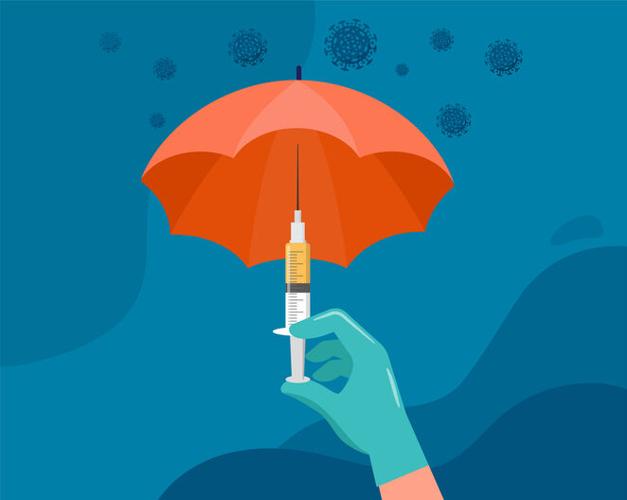
A vaccine to fight dementia? It turns out there may already be one. Shots that prevent painful shingles also appear to protect aging brains.
A recent study found shingles vaccination cut older adults’ risk of developing dementia over the next seven years by 20%.
The research, published last year in the journal Nature, is part of growing understanding about how many factors influence brain health as we age — and what we can do about it.
The study tracked people in Wales who were about 80 years old when they received the world’s first-generation shingles vaccine more than a decade ago. Now, Americans 50 and older are urged to get a newer vaccine that’s proven more effective against shingles than its predecessor.
The findings add another reason for people to consider rolling up their sleeves, said Dr. Maria Nagel of the University of Colorado Anschutz Medical Campus, who studies viruses that infi ltrate the nervous system.
The virus “is a risk for dementia, and now we have an intervention that can decrease the risk,” Nagel said.
What is shingles?
Anyone who’s ever had chickenpox — which is nearly everybody born before 1980 — harbors that virus for the rest of their life. It hides in nerves and can break out when the immune system weakens from illness or age, causing painful, blister-like sores typically on one side of the body that last for weeks — what’s called shingles.
About 1 in 3 Americans will get shingles, according to the Centers for Disease Control and Prevention. While most recover, it sometimes causes severe complications.
If it infects an eye, it can cause vision loss. Up to 20% of shingles patients suffer excruciating nerve pain months or even years after the rash itself is gone.
What’s the link between shingles and dementia?
It’s not clear exactly how Alzheimer’s and other types of dementia form. But certain viruses that sneak inside the nervous system — especially members of the herpes family including the chickenpox virus — have long been suspected of adding to genetic and other factors that make people more vulnerable.
Doctors at Boston’s Brigham and Women’s Hospital reported in 2024 that an episode of shingles could raise someone’s risk of dementia by about 20%.
Partly, it’s because that virus can cause inflammation, which is bad for organs including the brain. It also can directly infect blood vessels in the brain, causing clots and impeding blood flow, Nagel says, a risk both for strokes and for dementia.
Her lab also discovered shingles can spur formation of a sticky protein called amyloid, one of the hallmarks of Alzheimer’s.
Do these vaccines protect against dementia?
Adults who get recommended vaccines tend to have other brain healthy habits, including exercising and a good diet, which made it hard to prove an extra benefit.
The study took advantage of “a natural experiment” in Wales, which opened shingles vaccinations with an age limit: anyone 80 or older on Sept. 1, 2013, was ineligible, but those still 79 could squeeze in. Comparing seniors who just met or just missed that cutoff would mimic a research study that randomly assigned otherwise similar people to be vaccinated or not.
Lead researcher Dr. Pascal Geldsetzer of Stanford University and his team analyzed more than 280,000 medical records and found evidence that vaccination offered some protection against dementia. At the time, people received a first-generation vaccine called Zostavax.
An important next step is testing whether today’s vaccine, Shingrix, also offers dementia protection, Nagel said.
Geldsetzer also hopes to further study that earlier shot to see if the type of vaccine might make a difference.
What are shingles vaccine recommendations?
Shingrix is a onetime vaccination, given in two doses a few months apart. The CDC recommends it starting at age 50 for most people but also for younger adults with certain immune-weakening conditions — including those who years ago got that first-generation shingles vaccine. Fewer than 40% of eligible Americans have gotten vaccinated.
Side effects, including injection-site pain and flu-like fever and achiness, are common.
While there’s no proven prevention for dementia, doctors also recommend other commonsense steps to lower the risk. Stay socially and cognitively active. Control high blood pressure and, for people with diabetes, high blood sugar, both of which are linked to cognitive decline.
Food as 'miracle drug' is misleading, scientists say
Ali Swenson and Jonel Aleccia
Associated Press
In the Trump administration’s campaign to promote healthy eating, Robert F. Kennedy Jr. has not stopped at his slogan urging people to “eat real food” to prevent disease.
In recent speeches and podcast appearances, the nation’s health secretary has claimed that diet can “cure” schizophrenia and diabetes and allow people to rid themselves of bipolar disorder diagnoses. Researchers say the comments overstate current evidence about the real and promising role that food can play in managing illness.
“Food is medicine, and you can heal yourself with a good diet,” Kennedy said on comedian Theo Von’s “This Past Weekend” podcast in February.
The talking point aligns with an idea from Kennedy’s “Make America Healthy Again” allies that has gotten some bipartisan support: The role of food in health deserves more attention.
Scientists agree that diet can contribute to some diseases and also can be valuable in treating them. But public health advocates say Kennedy’s exaggerations are part of a pattern in which he cherry-picks and misrepresents scientific research.
Dr. Theresa Miskimen Rivera, president of the American Psychiatric Association, fears the language could drive patients to self-medicate with food alone.
“The concern always is that people can have hope and they might interpret that as, ‘Well, I don’t need medication. I do not need treatment. I just need to follow the diet,’” Rivera said.
In an early February speech at the Tennessee Capitol, Kennedy cited the work of Dr. Christopher Palmer, a Harvard Medical School researcher who in 2019 wrote about two patients with schizophrenia who experienced remission of their symptoms following a high-fat, low-carbohydrate ketogenic diet.
Kennedy said Palmer had “cured schizophrenia using keto diets.”
Palmer has called that inaccurate. He told The Associated Press that “as much as I wish we had cures for mental illness or other chronic diseases, it is important that we use more precise language.” Palmer prefers the word “remission.”
During the same speech, and later on Joe Rogan’s podcast, Kennedy referred to studies “where people lose their bipolar diagnosis by changing their diet.”
Kennedy spokesman Andrew Nixon said those comments referred to a “growing body of research” on the issue, including a University of California, Los Angeles, study investigating the effect of a keto diet on teenagers with bipolar disorder.
That study is still recruiting patients and will not be completed until March 2027, according to a posting on a federal website.
Rivera said Kennedy’s claims exaggerate the evidence. Studies testing the role of the ketogenic diet on mental health conditions have been small, anecdotal or pilot studies, she said. Many did not include a control group of patients following a regular diet.
“At this point, it’s premature. We cannot draw definitive conclusions,” Rivera said. “There is not enough evidence to recommend a specific diet or as a standalone, without medication such as antipsychotics or mood stabilizers.”
It is true that research into the effects of ketogenic and other diets on psychiatric disorders is accelerating, Palmer said, noting 20 controlled clinical trials on the subject are underway.
He said he is “very enthusiastic” about diet as a promising therapy for serious psychiatric disorders, but that patients with mental illness should still talk with their doctors.
“I want to implore patients: Please do not stop your medications on your own,” he said. “Please do not even try a ketogenic diet on your own as a treatment for schizophrenia or bipolar disorder.”

Southwest Montana Health Care Directory