

The Sweet Spot
Candy isn’t off limits for people with diabetes, experts say. But some choices are better than others
GAVIN ESCOTT
USA Today
For most people, satisfying a sweet tooth can be as simple as picking your favorite treat. For people with diabetes, choosing a sweet treat can be a little more complicated — but experts say you don’t need to bid adieu to candy just yet.
“The occasional piece of candy can absolutely fit into a healthy, balanced lifestyle for someone living with diabetes,” says Sarah Hormachea, a diabetes care and education specialist.
When a person eats or drinks carbohydrates, the body breaks it down into glucose, which enters the bloodstream. In people with diabetes, the body can’t effectively manage glucose, making it important to keep blood glucose levels within a healthy target range.
Candy contains carbohydrates, primarily from added sugar, which can cause glucose spikes. This doesn’t mean candy can’t be a part of your diet, but it does mean a person with diabetes needs to be more mindful about how candy fits into their overall eating plan.
“The biggest risk of consuming excessive amounts of candy is that it can displace more nourishing foods that support energy and metabolic health, including foods rich in protein, fiber, vitamins and minerals,” Hormachea says.
When candy becomes a replacement for quality carbohydrates such as starchy vegetables, beans, lentils, fruits, whole grains, milk and yogurt, glucose management can be difficult.
Toby Smithson, a senior manager of nutrition and wellness at the American Diabetes Association, said paying attention to how frequently you eat candy and how much you eat — particularly how many carbohydrates are in a serving — is key.
What type of candy is best?
Not all candy is created equal. The amount and type of candy — whether it contains nuts, chocolate, protein or other sources of fat — can determine how quickly the body digests and absorbs it.
Hard candies and candies without nuts or chocolate are digested and absorbed very quickly, often raising blood glucose levels within about 15 minutes. Because of this rapid effect, some candies can be used to treat low blood sugar.
On the other hand, candies that contain chocolate, nuts or other sources of fat digest more slowly. These candies may not raise blood glucose as quickly, Smithson says, but they can still have a “significant impact” on blood glucose levels.
“If you’re going to have candy, I’d rather see something that contains some protein or fat alongside the sugar,” Hormachea says.
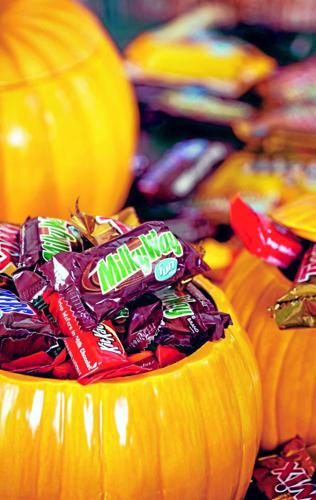
A peanut butter cup or Snickers, she says, is better than sugar-based candies like Smarties, Life Savers, Pixy Stix or Jolly Ranchers.
Are there substitutes for candy?
There are many alternatives to traditional candy, including sugar-free options and fruit, which contain carbohydrates but also deliver fiber, vitamins and minerals.
Still, experts caution that sugar-free doesn’t necessarily mean better. Some of those options still contain carbohydrates and sometimes other ingredients that can lead to an uncomfortable experience after eating.
“Many use sugar alcohols like sorbitol, which can cause bloating, gas or diarrhea when consumed in larger amounts,” Hormachea says, adding that some sugar alcohols have potential health risks. “I’d much rather someone enjoy a favorite candy occasionally and in a small portion, or choose something sweet that brings more nutritional value to the table, like fruit, nuts or a combination of fruit with dark chocolate or cocoa.”
Standalone VA dental clinic breaks ground in Helena
CHRISTINE COMPTON
christine.compton@helenair.com
As demand for dental care among veterans booms in Montana, the state’s first standalone Veterans Affairs dental clinic aims to open in 2027 after celebrating a groundbreaking Wednesday.
The Montana VA Health Care System has three dental outlets — in Billings, Missoula and Fort Harrison in Helena — providing a total of four operatories, or dental care rooms, Montana VA Health Care System Executive Director Kim Adkins said.
Since 2022 when the PACT Act nationally expanded VA benefit eligibility, the state VA has doubled the number of its eligible dental patients, surging to 11,000, she said.
Some of them could have been newly eligible, and some may have heard about VA health benefits in the wave of public outreach, spokesperson Matt Rosine said, but the effect was the same: the existing dental clinics were at capacity, and new seats were needed.
Thus began momentum for a new Helena clinic. Planning started around two years ago, and the clinic is now expected to be completed in 2027.
It will be the state’s first VA standalone clinic, offering eight operatories with everything from cleanings to surgeries to oral cancer screenings. The operatories are among 19 total clinic rooms, a lab and X-ray room, all amounting to an approximately 12,700-square-foot facility, Rosine said.
Alongside the dental professionals already in the Montana VA system, Adkins aims to add two more dentists, a periodontist and three or four dental assistants, alongside other staff.
The project cost $8.2 million, funded by the national VA budget, Adkins estimated.
Her goal is to reduce wait times from the current 20-30 days to single digits, and to reduce referrals to community dental partners. In fiscal year 2026, 22% of VA dental patients who were referred to a third-party clinic did so because of long wait times, she said.
“Our mission has always been about the people we serve,” Adkins said. “I am proud of what our team has accomplished, and I’m grateful for the partnerships that have made this project possible, and I am excited for what lies ahead.”
Dental care is a bigger safety net than many realize, The Avens Group CEO and retired Air Force medic Luke Orander said. The Avens Group is the development company behind the clinic.
It’s tied directly to heart health and nutrition, Orander said. It impacts a veteran’s personal life, from the way they show up for a job interview to their smile when visiting grandchildren.
“The work we begin today will serve Montana veterans for generations to come,” Orander said. “... We promise a first-class clinic on time and, of course, on budget.”
For folks like Duane Cunningham, department adjunct with American Legion Department of Montana and a U.S. Navy veteran, dental clinics can be the first step toward the wider network of veteran support.
He’s seen veterans with expensive medical needs enter the VA system for something as mundane as eyeglasses, many not knowing the depth of aid that could be available to them, he said. Veterans struggling with mental health issues could enter for a cleaning and have the first nudge toward other, perhaps critical, help.
“Access will turn people off the VA, because if they can’t get in, why am I bothering?” Cunningham said. “Access: it’s a lifesaving measure.”
As the celebration closed, Adkins thanked community dental partners for their support, the dental staff and the development teams that helped bring the project to solid ground.
Christine Compton is a reporter for the Helena Independent Record.

Southwest Montana Health Care Directory