

Celebrating Montana nurses through community recognition
Lee Montana
Every year, during National Nurses Week observed May 6 through May 12, communities across the country pause to recognize the dedication, compassion and expertise of nursing professionals. In Montana, that recognition takes on a uniquely local and meaningful form with the local Nurse Appreciation recognition program.
Led by Lee Enterprises of Montana, anchored by publications like the Billings Gazette, Missoulian, Helena Independent Record, The Montana Standard (Butte) and Ravalli Republic (Hamilton), with support by sponsors, the program highlights the extraordinary contributions nurses make every day in their communities.
Nurses were selected through a public nomination process that started earlier this year. Community members were invited to share stories about nurses who have made a lasting impact through their exceptional patient care, leadership or simple acts of kindness during difficult moments.
Ten outstanding nurses were chosen and are honored in a special keepsake publication with a featured story published across Lee Enterprises of Montana print and digital publications, as well as being featured in a video published online. These profiles not only celebrate individual achievements but also help elevate awareness of the nursing profession as a whole.
The local recognition would not be possible without local sponsors whose support helps amplify the program’s reach and impact, providing meaningful recognition for honorees. Thank you to Blue Cross Blue Shield for supporting this effort. These partnerships reinforce a shared community commitment to supporting healthcare workers.
This Nurse Appreciation recognition program stands as a powerful example of how local storytelling and community engagement can come together to honor those who dedicate their lives to caring for others. As these stories are shared across Montana, they serve as a lasting reminder that behind every moment of care is a nurse whose compassion changes lives, making it more important than ever for communities to not only recognize their impact, but to actively support and celebrate them year-round.
Pills & Spills
4 types of medication that may increase your chance of falling
Harvard Health Publishing
Among people over 65, falls are a leading cause of unintentional injuries. Even more concerning: deaths from falls more than tripled over the past 30 years in the United States.
Too often, a broken hip or serious head injury from a fall triggers a downward health spiral. The soaring use of prescription drugs that affect the brain may be to blame for this lethal trend, according to an opinion piece in a recent issue of JAMA Health Forum.
Many medications can make people feel drowsy or impair their balance or coordination. Known as fall risk-increasing drugs — or FRIDs — they include a wide range of medications. But the most worrisome are four classes that have been heavily prescribed to older adults in recent decades: opioids, benzodiazepines, gabapentinoids and antidepressants.
“Despite recent efforts to reduce the use of these drugs in older people, it’s still a serious problem,” says Dr. Sarah Berry, chief of gerontology at Harvard-affi liated Beth Israel Deaconess Medical Center. Unfortunately, when doctors stop prescribing one class of medications, they may substitute newer medications that aren’t necessarily any safer in terms of fall risks, she adds.
Drugs for pain and anxiety
For example, doctors prescribed fewer opioids due to the serious risks of addiction and overdose from these powerful pain relievers. Examples include oxycodone (Oxycontin) and hydromorphone (Dilaudid). That fueled a rise in prescriptions for gabapentinoids, which include gabapentin (Neurontin, Horizant, Gralise) and pregabalin (Lyrica). Originally developed to treat seizure disorders, these drugs are now commonly prescribed off -label for chronic pain. But gabapentinoids probably pose just as much fall risk as opioids, Berry says.
For treating anxiety and sleep problems, the American Geriatric Society recommends antidepressants instead of benzodiazepines. The latter, which include diazepam (Valium) and alprazolam (Xanax), can lead to cognitive impairment and other serious risks as well as falls. But all antidepressants, including those recommended by the AGS — citalopram (Celexa) and sertraline (Zoloft) — also can leave older people more prone to falls, Berry says.
How might medications cause falls?
The four highlighted drug classes aff ect brain function and can make you feel sleepy, dizzy or confused — all of which can leave you vulnerable to falling.
“But we don’t actually understand the mechanism for a lot of medication side effects, and their links to falls are probably the result of multiple factors,” Berry says.
For example, gabapentin makes people sleepy, but it also can cause swelling in the legs that can impair mobility. If both of those side eff ects occur in someone with arthritis and a mild visual impairment, that combination of factors could literally tip them over, Berry explains.
What you can do
If you’re currently taking a medication from any of these classes, don’t stop taking it abruptly, as doing so may cause withdrawal symptoms. Talk to your doctor for advice about possibly tapering off the medication. Have your primary care clinician review all of your medicines (including prescription and nonprescription medications) as well as all supplements at least once a year. Make sure you understand why you take each drug and whether you still need it. If you’re taking a FRID, ask if a less risky alternative might be an option for you.
For people coping with chronic pain, the latest guidelines on opioids recommend a range of other options.
“There’s no magic bullet for chronic pain. Often, the best option is to use multiple strategies together,” Berry says. For example, you might take a low dose of acetaminophen (Tylenol) with a topical treatment like a lidocaine patch or diclofenac gel (Voltaren).
For people who take benzodiazepines, nondrug alternatives for anxiety include therapy and relaxation techniques. For those who struggle with sleep, practicing better sleep hygiene can help.
The scope of the problem
The JAMA Health Forum piece presents statistics that highlight the problem of risky prescribing:
32% Percentage of adults older than 65 who took prescription pain relievers (most of which were opioids) at some point during 2022; 17% took tranquilizers or sedatives (most of which were benzodiazepines) during that year.
4x Prescriptions for gabapentin and combinations of gabapentin and opioids increased about fourfold between 2006 and 2018.
12% Percentage increase of people over 65 who take antidepressants from 1999 to 2020. Usage rose from 8% to 20% of people over 65.

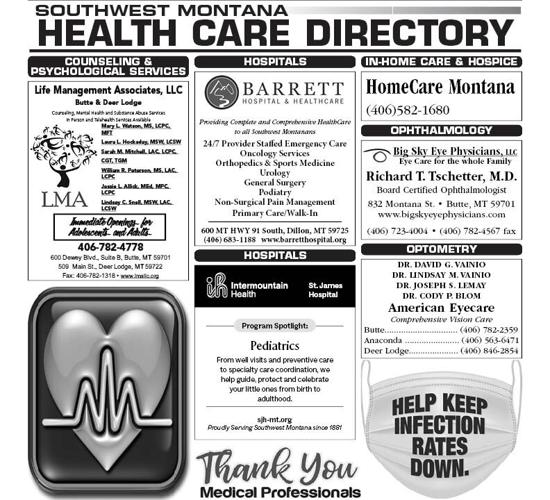
Southwest Montana Health Care Directory