Keep out of reach
Medication safety for families, including storage and dosage tips
Dr. Mary Beth Miotto
American Academy of Pediatrics
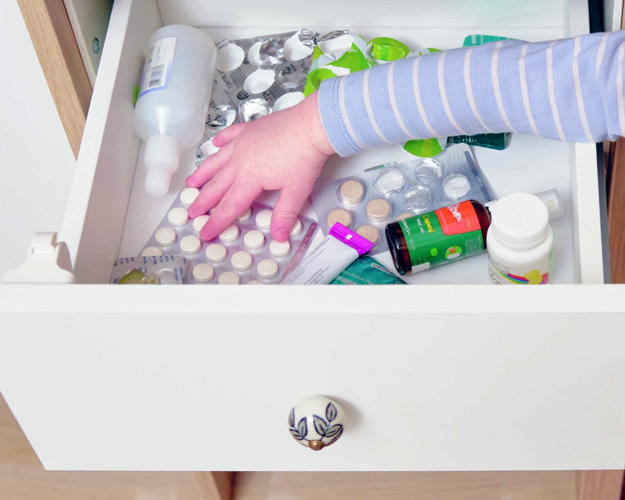
Each year, about 50,000 children under age 5 end up in emergency departments for poisoning after swallowing medicine unintentionally.
Medications are meant to improve and save lives. But when a medicine gets into the wrong hands and is taken by a child or teen, the results can be deadly. That’s why all prescription drugs, over-the-counter medicines and supplements should be stored safely and kept out of reach.
Even small amounts of common medicines can be deadly for babies and young children — sometimes just a pill or two. This includes fever and pain medicines, prescription opioids, heart and diabetes medications, and even vitamins or common supplements such as iron. Teenagers can sometimes make poor choices with pills, especially prescriptions, with tragic results.
If your child is unconscious, not breathing, having seizures or other worrisome symptoms from possible poison contact or ingestion, call 911 or your local emergency number. If your child has mild or no symptoms, call or email the Poison Center, 800-222-1222 or PoisonHelp.org.
Store medications properly
Just like you protect your child in your vehicle by using car seats and seat belts, you need to protect your children at home by locking up medicines and other common household poisons. Here are some medicine safety tips for parents, grandparents and anyone who has a child or teen in their home.
- Use medicine containers with safety caps that are child resistant. Children might still be able to open child-resistant caps, so keep them out of sight and reach.
- Store all prescription and over-the-counter medicines and supplements in their original packages in locked cabinets or containers. Safety latches that lock when you close a cabinet door can help keep children away from harmful products, but they do not always work. Be sure to put the medicines back right after using them.
- Remind babysitters, grandparents and other visitors to keep purses, bags or jackets that have medicines in them away from children’s reach.
- When taking medicine, do it over a bathroom sink and/or away from common areas of your home in case you drop or spill it. If you spill medicine, clean it up immediately. For many opioids and other powerful painkillers, even a small amount consumed or absorbed through the skin (liquid and patches) can be life-threatening.
- It’s important to never refer to medicine as “candy” or another appealing name. This can confuse or tempt a child to try other pills when you’re not watching.
Administer medicines correctly
Be careful to give the correct dose and measure it out exactly. This includes reading the label each time you give over-thecounter drugs like acetaminophen and ibuprofen.
Giving the wrong dose of a medication by mistake is a common medication error that leads to emergency department visits. Use a medicine syringe or dropper to ensure the correct dosage is given and never use adult-strength medications for children.
Follow dosing and timing instructions given to you by your doctor. If you forget to give a dose, give it as soon as possible and give the next dose at the correct time following the late dose. Do not give two doses at the same time or extra doses without speaking with your doctor.
If you are unsure about how or whether to give your child a medicine, check with your doctor or pharmacist. You can even ask to be shown how to administer the correct dose or ask them to write the instructions down for later reference.
Give medications that treat symptoms (such as long-lasting cough) only if your child needs them. Over-the-counter cough or cold medicines can have serious side effects and are not recommended for children under 6 years, and they should never be used in children under 2.
Give one medication at a time. Cold medications often have more than one type of medicine in one bottle (a pain reliever such as acetaminophen plus a cough medicine). Do not give a medicine for fever or pain if you have already given a cold medicine that has a fever or pain medicine in it.
If your child has a fever over 102 degrees and is uncomfortable, you can give medicine to lower it. Fever is a sign that the body is fighting the infection, and medicine to bring fever down is an issue of comfort.
Weight-loss labeling
Dee-Ann Durbin
Associated Press
Meals and snacks with "GLP-1 Friendly” labels on the packaging are becoming more common in U.S. supermarkets as a growing number of Americans try obesity drugs like Wegovy and Zepbound to lose weight.
But the labels aren’t regulated by the U.S. Food and Drug Administration, unlike the popular medications themselves. Dietitians say people taking GLP-1 drugs should read ingredient lists and talk to experts about what nutrients they need — and don’t need.
“A drug does not educate you on how to eat properly,” said Suzy Badaracco, a registered dietitian and president of the food trends forecasting firm Culinary Tides. “You’re not magically going to be educated — without a doctor’s help — to eat healthy.”
Nutritional needs
The nutritional needs of GLP-1 users aren’t that different from those of the general population, said Shannon Christen, a dietitian and diabetes educator with UCHealth University of Colorado Hospital.
The difference is that GLP-1 users eat less because the drugs suppress their appetites, so the foods they do eat need to be packed with nutrients, Christen said.
They can expect to eat about 50% less than they ate before they started taking the medications, she said.
“Every bite needs to be nutritious,” Christen said.
Protein helps GLP-1 users maintain muscle mass as they lose weight. Christen said she generally recommends that patients eat 20 to 30 grams of protein per meal, or 1.2 grams per kilogram of body weight daily.
Samantha Snashall, a registered dietitian at Ohio State University’s Wexner Medical Center, said GLP-1 users also should try to meet the U.S. Department of Agriculture’s recommended daily amount of fiber, which is about 14 grams for every 1,000 calories consumed.
GLP-1 users also should avoid meals and snacks that are deep fried, high in sugar or saturated fat and spicy or acidic, because those foods can worsen side effects and work against weight-loss efforts, Snashall said.

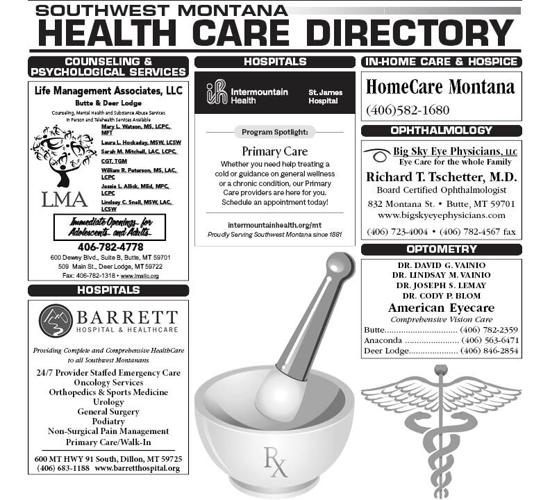
Southwest Montana Health Care Directory