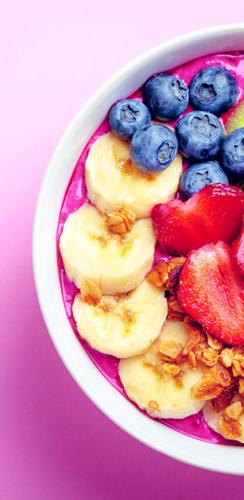


Berry Well
Here's the scoop on acai bowls and how to build one that's nutrient dense
Jessica Bunch
Environmental Nutrition
Acai bowls have become a staple of health cafes, fitness influencers and social media feeds — often promoted as the ultimate “clean” breakfast or post-workout meal. But are açaí bowls actually healthy, or are they just smoothies served in a bowl with good marketing? The answer lies in how they’re made.
Acai nutrition
Acai berries, native to the Amazon rainforest, are naturally rich in antioxidants, particularly anthocyanins, which help combat oxidative stress in the body. They also provide fiber and contain small amounts of healthy fats, including omega fatty acids. On their own, acai berries can be a nutritious addition to a balanced diet.
However, most people don’t consume plain acai berries. Instead, they’re blended into bowls with a variety of fruits, liquids and toppings — where the nutritional profile can shift dramatically.
When acai bowls become sugar bombs
Many commercially prepared acai bowls contain sweetened acai purees, fruit juice bases and generous toppings such as granola, honey, coconut flakes and dried fruit. While these ingredients may be “natural,” they can collectively deliver as much sugar as a dessert — sometimes exceeding 70 grams per serving.
Without sufficient protein or healthy fats to slow digestion, these bowls can cause blood sugar spikes, followed by energy crashes. In these cases, an acai bowl may be more comparable to a treat than a nourishing meal.
Build a better-for-you acai bowl
The key to making an acai bowl healthy is balance. When prepared thoughtfully, it can provide antioxidants, fiber, protein and sustained energy.
1 Start with the right base
Choose unsweetened frozen acai packets and blend them with unsweetened plant milk or water. Avoid fruit juice bases, which add unnecessary sugar without fiber. A small amount of banana — about half — is enough to create a creamy texture without overwhelming the bowl.
2 Be mindful with fruit
Berries such as blueberries, strawberries and raspberries are lower in sugar and high in fiber and antioxidants.
3 Add protein
Protein transforms an acai bowl from a snack into a satisfying meal. Options include protein powder, Greek yogurt, skyr, silken tofu or nut butter. Aim for at least 15 to 20 grams of protein if the bowl is replacing a meal.
4 Choose toppings wisely
Toppings should add texture and nutrients, not excessive calories. Chia seeds, flaxseeds, nuts or a small portion of granola (about ¼ cup) work well. Fresh fruit is preferable to dried fruit, which is more concentrated in sugar.
5 Limit added sweeteners
If sweetness is needed, rely on fruit first. A light drizzle of honey or maple syrup is fine, but restraint is essential.
The takeaway
Acai bowls aren’t inherently healthy or unhealthy — they’re customizable. When built with whole ingredients, adequate protein and controlled portions, they can be a nutrient-dense, energizing meal. When overloaded with sweeteners and toppings, they quickly cross into dessert territory. As with most nutrition trends, intention matters more than aesthetics.
Environmental Nutrition is the award-winning independent newsletter written by nutrition experts dedicated to providing readers up-to-date, accurate information about health and nutrition in clear, concise English. For more information, visit www.environmentalnutrition.com.
Covering the spread
Butter or margarine? Experts weigh in on pros, cons
Daryl Austin
USA Today
Few foods are as beloved or as widely used as butter and margarine. Whether spread on warm pancakes, melted onto corn on the cob, baked into our favorite cakes, cookies and pies or enjoyed atop fresh bread, both have earned a permanent place in many kitchens.
At first glance, they even look remarkably similar. Despite their shared appearance and culinary uses, “margarine and butter are made very differently and contain different types of fats and nutrients,” explains Amy Goodson, a nutritionist and registered dietitian at The Sports Nutrition Playbook. They also differ in where they come from and how they are used in cooking.
Here’s what both margarine and butter are, how they vary nutritionally and why it’s best to enjoy either option in moderation.
What is margarine? What is butter?
Though they often sit side by side in grocery stores, butter and margarine have different origins.
Mia Syn, a South Carolina-based registered dietitian and author of the cookbook “Mostly Plant-Based,” explains that butter is a dairy product made by churning cream until the fat separates from the liquid portion, “forming buttermilk and eventually solid butter.” Because the final product comes from animal fat, butter naturally contains cholesterol and is generally higher in saturated fat.
Margarine, by contrast, was originally developed as a less expensive alternative to butter. And rather than being made from dairy, it “is made from vegetable oils that are solidified through processing,” Goodson explains. Such oils typically include soybean, canola, sunflower, palm or olive oil.
Margarine manufacturers blend these oils with water and other ingredients to create a spread with a texture and appearance similar to butter. As a result of its core ingredients, “margarine is higher than butter in unsaturated fats,” Goodson says.
What are the downsides of butter and margarine?
Neither butter nor margarine is perfect, and both have potential drawbacks. Butter contains a substantial amount of saturated fat, Goodson says, which can raise LDL (“bad”) cholesterol levels when consumed in excess. Saturated fat also has been associated with increased cardiovascular risk, arterial plaque buildup and heart disease.
In contrast, many modern margarines contain more unsaturated fats, which have been associated with improved heart health and healthier cholesterol levels. For those reasons, Syn says that organizations like the American Heart Association generally recommend replacing foods high in saturated fat with foods containing more unsaturated fats whenever possible.
At the same time, margarine can still raise concerns because of its often higher levels of processing and the additives used therein to achieve a butter-like texture and shelf stability, Goodson notes.

Southwest Montana Health Care Directory