
A smarter snooze
Tips for mastering the power nap
Harvard Health Publishing
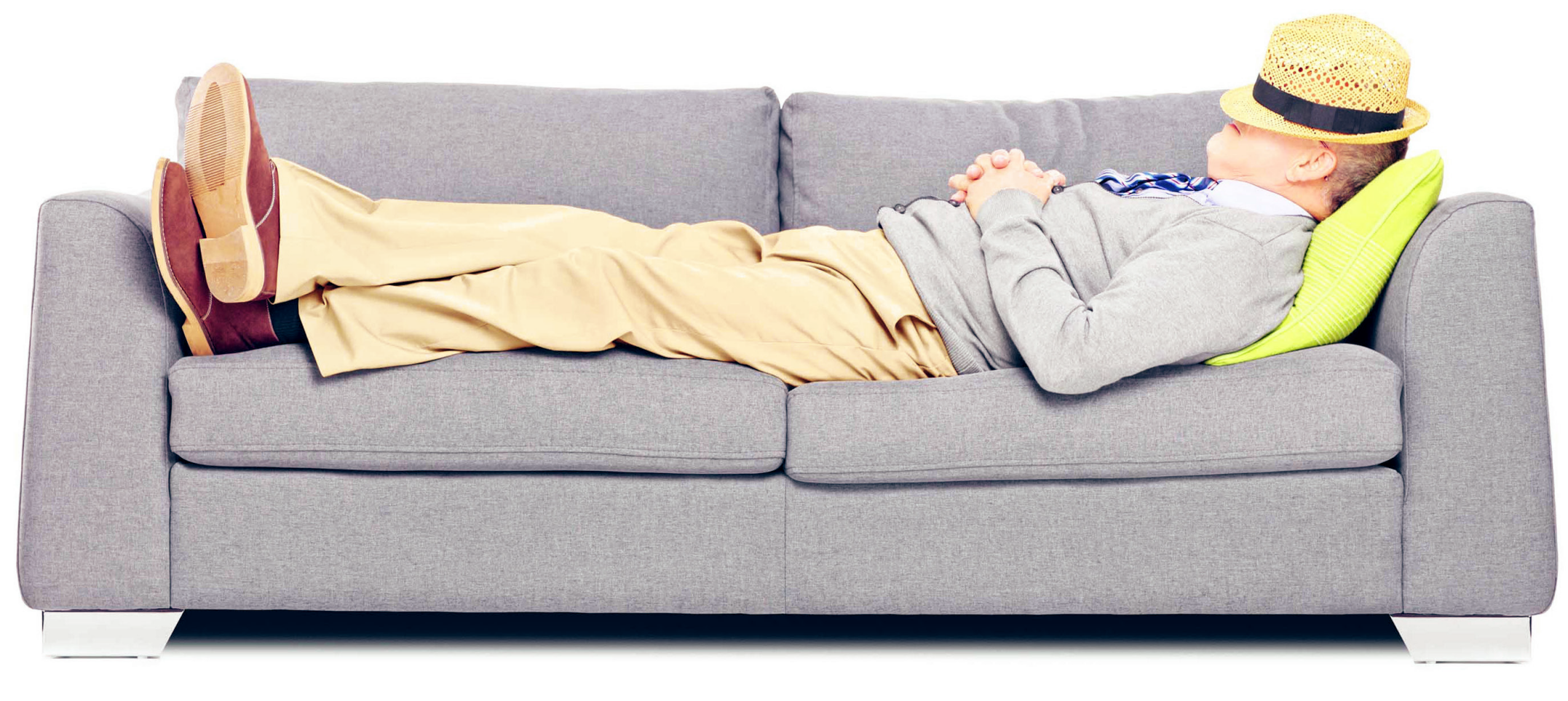
If you need a quick pick-me-up during the day, a power nap can be just the thing to help restore mental clarity and fight off fatigue. Power naps can help boost productivity and improve your overall well-being, especially when you take them at the right time and for the right duration.
Power nap perks
Naps offer several health benefits that can improve your quality of life. Studies show that they can enhance mood, reduce fatigue and improve alertness.
A power nap, lasting anywhere from 10 to 30 minutes, allows your body and mind to rest without entering deeper stages of sleep. Once you enter deep sleep — typically about 30 minutes after you’ve drifted off — you are likely to experience “sleep inertia” upon waking.
Sleep inertia is the drowsy feeling you may get when you wake up, in which you feel temporarily disorientated and are slower to react. It can take your body 30 to 60 minutes to recover from sleep inertia.
Power naps may support work performance, too. Researchers at NASA found that pilots who napped 20 to 30 minutes were more alert and more proficient at their jobs than pilots who didn’t nap.
A shorter nap also can help you bypass some health risks associated with longer naps. For example, a 2023 study found that adults who napped longer than 30 minutes were more likely to experience higher blood pressure and blood sugar levels than people who did not nap. Short nappers did not share this increased risk.
Tips for a restorative nap
Time it right: Aim to nap in the early afternoon, ideally between 1 p.m. and 3 p.m., when your body naturally experiences a dip in energy. Napping too late in the day can interfere with nighttime sleep. That said, the ideal time to nap varies by individual. Some people may benefit from earlier naps depending on what time they wake up and go to sleep.
Keep it short: Set an alarm to wake you after 20 to 30 minutes. A short nap will leave you refreshed rather than groggy.
Create a cozy environment: Find a quiet, dark and comfortable space where you won’t be interrupted. If you’re in a bright or noisy area, consider using an eye mask or earplugs to help you fall asleep faster.
Listen to your body: If you frequently feel the need for a nap, it may be a sign of inadequate nighttime sleep. While a power nap can help boost energy in the short term, make sure you’re prioritizing a good night’s rest as well. Frequent daytime drowsiness also can be a sign of sleep apnea, a common disorder that causes people to stop breathing for short periods during sleep. Talk to your doctor if you are regularly sleepy during the day or if you’re a loud snorer.
Note your results: Napping is not for everyone. If you aren’t feeling refreshed after a short nap, the best approach may be to avoid napping altogether and focus on getting a good night’s sleep.
Tips to promote nighttime sleep, too
- Keep a consistent schedule.
- Exercise daily.
- Keep your room dark and cool.
- Take a social media break.
- Limit your caffeine intake.
States rush to make plans with federal health funds
Sarah Jane, Tribble Arielle Zionts and Maia Rosenfeld
KFF Health News
Imagine starting the new year with the promise of at least a $147 million payout from the federal government.
But there are strings attached.
In late December, President Donald Trump’s administration announced how much all 50 states would get under its new Rural Health Transformation Program, assigning them to use the money to fix systemic problems that leave rural Americans without access to good health care.
Within eight months, states must submit revised budgets, begin spending and show the money is going to good use. Federal officials will begin reviewing state progress in late summer and announce 2027 funding levels by the end of October.
The money — divided into unique allocations for each state, ranging from $147 million for New Jersey to $281 million for Texas — represents the first $10 billion installment from the five-year, $50 billion program. Congress created the fund as a last-minute sweetener in Trump’s One Big Beautiful Bill Act last summer to offset the fallout anticipated in rural communities from the statute’s nearly $1 trillion in Medicaid spending cuts over the next decade.
In 2026, each state will receive an equal $100 million share under the law for the first half of the money, plus additional funding from the second half. The Centers for Medicare & Medicaid Services, led by administrator Mehmet Oz, steered payouts from the second portion based on each state’s rural score, as well as results from a “technical” scoring system for project proposals.
At first glance, total awards do not appear to favor states governed by either Republicans or Democrats. But one academic data analysis teased out the amount awarded for each state’s technical score, which is the part determined by the discretion of agency officials.
The analysis was performed at the University of North Carolina’s Cecil G. Sheps Center for Health Services Research. A KFF Health News review of the Sheps Center data found that states with Republican governors tended to receive more money for the parts of their application based on the technical score. Democratic-controlled states crowded the bottom quarter of those technical score awards.
CMS spokesperson Chris Krepich said in an emailed statement to KFF Health News that “politics played no role in funding decisions.”
Oz has pushed states to start working on policy actions championed by the administration — such as approving presidential fitness tests and restricting food benefits — that could require legislative approval.
Half of states promised to mandate the presidential fitness test, Oz said. Many states proposed food waivers under the Supplemental Nutrition Assistance Program that would limit low-nutrition items such as soda. He also said some states promised to teach health care professionals about nutrition. States are tackling issues ranging from behavioral health to obesity, he added.
A KFF Health News review of state “project abstracts” and “spotlights” released by CMS shows that many states plan to address the workforce challenges in rural areas. Delaware, for example, plans to use its funding to create the state’s first four-year medical school with a rural primary care track.
A third of states said they want to improve electronic health records, and every state mentioned telehealth.
Many state legislatures must pass laws to distribute the funding to their state offices. Meanwhile, state officials are hiring staff, organizing advisory committees and preparing to dole out money.
Terry Scoggin, former interim chief executive of the Texas Organization of Rural & Community Hospitals, or TORCH, said the state’s portion of funds will bolster a rural hospital funding bill Republican Texas Gov. Greg Abbott signed last year.
Texas was awarded the biggest allocation, which amounts to about $66 per rural resident, according to a KFF policy analysis. By contrast, Rhode Island was granted about $6,300 per rural resident.
Researchers at the Sheps Center conducted an analysis to estimate how much money states received from the technical score, or the portion of funding based on the quality of their proposals and state policy actions that align with “Make America Healthy Again” priorities.

Southwest Montana Health Care Directory