

Culture Club
What to know about fermented foods
Daryl Austin
USA Today
Scroll through Instagram or TikTok and it’s hard to miss the steady stream of health trends promising all manner of benefits. From green powders and cold plunges to protein-packed snacks and gut-friendly beverages, influencers are constantly spotlighting the next “must-have” food or supplement for optimal wellness. Fermented foods are among the most commonly touted — though many influencers make these foods seem like they should play a bigger role in your diet than they actually need to.
“Fermented foods don’t have to be a trend or an all-or-nothing approach,” advises Amy Goodson, a nutritionist and registered dietitian at The Sports Nutrition Playbook. Instead, she says to think of them as a “small, flavorful addition to an already balanced plate.”
Here’s what fermented foods are, why they can be good for you and who should be cautious about overdoing it.
What is a fermented food?
A fermented food is one that has been transformed through a natural process in which microorganisms like bacteria, yeasts or molds “convert carbohydrates like sugars and starches into compounds like acids, gases or alcohol,” explains Caroline Susie, a registered dietitian and national spokesperson for the Academy of Nutrition and Dietetics.
It’s a process that “preserves food, changes flavor and texture and can create beneficial bacteria,” Goodson says.
Susie notes that many familiar foods fall into this category, including yogurt, kefir, sauerkraut and kimchi; aged cheeses like cheddar, gouda and Parmesan; as well as miso, tempeh, kombucha, soy sauce, authentic sourdough bread and certain pickles.
Some of these foods are traditionally fermented using live cultures, while others are commercially processed. Because of this, Susie says it’s important to read food labels, “as some commercial versions use vinegar or heat processing that kills beneficial bacteria.”
Are fermented foods good for you?
One of the most well-known benefits of fermented foods is their ability to support gut health via some beneficial bacteria, or probiotics.
This is because, during fermentation, helpful microbes can develop, and when consumed, these bacteria may help support the complex ecosystem of microorganisms living in the digestive tract, known as the gut microbiome.
Fermentation also can make certain foods easier to digest, and ultimately improve nutrient availability. Specifically, Goodson notes that fermentation can enhance the absorption of nutrients like B vitamins and minerals such as calcium and iron that aren’t always easily absorbed in their original form.
Fermented foods also may support immune function as a balanced gut microbiome plays a key role in regulating immune responses.
Can you eat fermented foods every day?
For most people, fermented foods can be safely enjoyed on a regular basis. But there are some important exceptions and considerations.
Goodson says that individuals with histamine intolerance may experience symptoms like headaches or digestive discomfort when consuming fermented foods, as these products can be naturally high in histamines.
Similarly, she notes that those taking monoamine oxidase inhibitors, a class of medications used to treat certain mental health conditions, may need to limit fermented foods.
And because people with weakened immune systems are at higher risk of foodborne infections, the U.S. Centers for Disease Control and Prevention recommends avoiding unpasteurized fermented products in these cases.
Sodium content is another factor to consider. Foods like sauerkraut, kimchi and pickles can be high in salt. “This may be a concern for individuals managing hypertension or heart disease,” Goodson says.
Additionally, Susie notes that individuals with certain digestive conditions, such as small intestinal bacterial overgrowth, may need to be cautious because fermented foods can sometimes worsen symptoms like bloating and gas.
But for most people, fermented foods can be a healthy addition to the diet when consumed in moderation.
Missoula hospital to use telehealth docs; nurses balk
David Erickson
david.erickson@missoulian.com
A group of pediatric nurses and respiratory therapists at Community Medical Center in Missoula recently sent an open letter to the management expressing “deep concern and disappointment” regarding a decision to discontinue in-house Pediatric Intensive Care Unit physicians at the hospital and instead proceed with telemedicine coverage in their place.
They say that there’s a risk of delays in care without on-site physicians, and they believe that doctors can’t care as well for patients through an iPad.
The letter was sent on June 11, circulated widely online on social media and was signed by several dozen staff members of Community, which is owned by Tennessee-based LifePoint Health, a forprofit healthcare company that owns hospitals in multiple states.
“Telemedicine physicians cannot physically perform procedures or provide bedside assessment and intervention during rapidly evolving emergencies,” the letter states. “This decision represents far more than a reduction in services, it is a significant loss that may increase risk during pediatric emergencies requiring immediate critical care expertise.”
In the letter, the nurses and providers acknowledge that the pediatric program apparently operates at a financial loss. But they argue that it’s still worth it.
“We have seen firsthand the necessity of having a board certified pediatric care physician at the bedside to save a child’s life,” they said. “We urge the decision-makers to reconsider the long-term consequences of this decision and to explore every possible avenue to restore these critical services. Our children deserve better. Our families deserve better. And our community cannot afford to lose such an essential resource.”
Megan Condra, the director of marketing and community relations at Community, sent an email to the Missoulian expressing the views of the leadership team at the hospital.
“Community Medical Center is not eliminating pediatric critical care, we are changing how that care is delivered,” she said. “Over the past several years, declining PICU volumes, a trend reflected nationally, have made it increasingly difficult to sustain a traditional, onsite-only staffing model, despite ongoing efforts to recruit pediatric intensivists. Rather than eliminate these services, we have chosen a different path to ensure pediatric critical care remains available to our community while also preserving roles for the dedicated caregivers who provide this care every day.”
Community says the transition to a telehealth model “reflects a sustainable, patient-focused model for providing safe, dependable pediatric critical care while maintaining continuity for both our patients and care teams.”
“Our exceptional team of pediatric specialists, nurses, and clinical support staff will continue caring for acutely ill children at Community,” Condra continued. “For patients whose conditions can be safely managed locally, care will be supported onsite by board-certified pediatric hospitalists and by pediatric critical care physicians available 24/7 via telehealth. When a child’s condition requires a higher level of care, our team will facilitate transfer to a dedicated children’s hospital — as has always been our practice.”
The letter from the PICU staff said the unit has operated for over 20 years as a crucial lifeline. They said parents may now have to face not only the trauma of a critically ill child but also the financial and logistic strain of having to travel to a different hospital, meaning missed work and separation from support systems.
“Additionally, because CMC currently lacks a contract with the Missoula Anesthesiology, P.C. group to provide 24/7 pediatric anesthesia coverage, there have been numerous instances where a PICU physician has been required to provide deep sedation services to complete a critical and time-sensitive lumbar puncture, MRI, chest tube or other surgical drain placement for admitted patients in order to provide proper diagnoses and treatment,” the letter said. “Without an on-site PICU MD, there is an increased risk of delays in care.”
The unit will still be staffed by in-person hospitalists. The letter from the nurses and other healthcare providers said they acknowledge that the pediatric hospitalists are “profoundly intelligent, skillful and dedicated.”

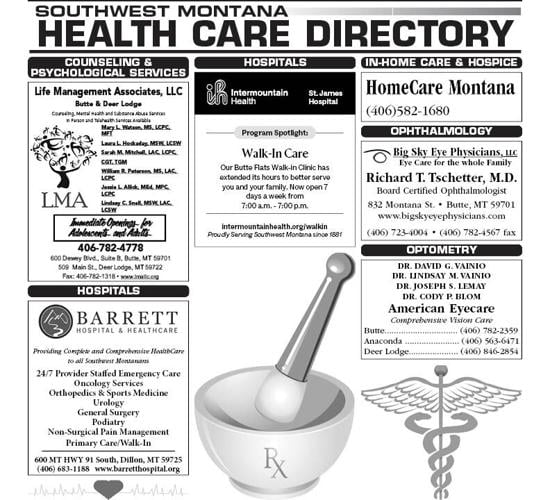
Southwest Montana Health Care Directory