

Sneeze Fest
Welcome to allergy season. Here's how to protect yourself.
Kenya Hunter
Associated Press
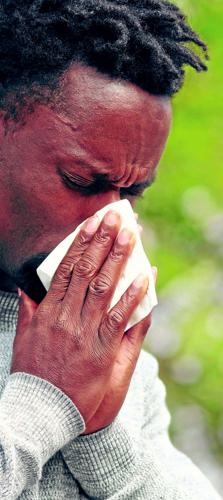
Allergy season can be miserable for tens of millions of Americans when trees, grass, and other pollens cause runny noses, itchy eyes, coughing and sneezing.
Where you live, what you’re allergic to and your lifestyle can make a big difference when it comes to the severity of your allergies. Experts say climate change is leading to longer and more intense allergy seasons, but also point out that treatments for seasonal allergies have become more effective over the last decade.
Here are some tips from experts to keep allergy symptoms at bay — maybe even enough to allow you to enjoy the outdoors.
Be aware of the ‘allergy capitals’
The Asthma and Allergy Foundation of America issues an annual ranking of the most challenging cities to live in if you have allergies, based on over-the-counter medicine use, pollen counts and the number of available allergy specialists.
This year, the top five cities are: Boise, Idaho; San Diego; Tulsa, Oklahoma; Provo, Utah; and Rochester, New York.
What to know about pollen
Pollen is the powdery substance made by seed-producing plants and trees that is part of their reproductive process. Earlier in the spring, tree pollen is the main culprit. After that grasses pollinate, followed by weeds in the late summer and early fall.
Some of the most common tree pollens that cause allergies include birch, cedar, cottonwood, maple, elm, oak and walnut, according to the Asthma and Allergy Foundation of America. Grasses that cause symptoms include Bermuda, Johnson, rye and Kentucky bluegrass.
Track pollen levels
Pollen trackers can help you decide when to go outside. The American Academy of Allergy Asthma and Immunology tracks levels through a network of counting stations across the U.S. Counts are available at its website — pollen. aaaai.org — and via email.
Try to avoid pollen altogether
The best and first step to controlling allergies is avoiding exposure. Keep the windows in your car and your home closed, even when it’s nice outside.
If you go outside, wearing long sleeves can keep pollen off your skin to help ward off allergic reactions, said Dr. James Baker, an allergist at the University of Michigan. It also provides some sun protection, he added.
When you get home, change your clothes and shower daily to ensure all the pollen is off of you — including your hair. If you can’t wash your hair every day, try covering it when you go outside with a hat or scarf. Don’t get in the bed with your outside clothes on, because the pollen will follow.
It’s also useful to rinse your eyes and nose with saline to remove any pollen, experts said. And the same masks that got us through the pandemic can protect you from allergies — though they won’t help with eye symptoms.
Find relief for symptoms
Over-the-counter nasal sprays are among the most effective treatments for seasonal allergies, experts said.
But patients often use them incorrectly, irritating parts of the nose, said Dr. Kathleen May, an allergist at Augusta University in Georgia. She suggested angling the nozzle outward toward your ear rather than sticking it straight up your nose.
Over-the-counter allergy pills like Claritin, Allegra and Zyrtec are helpful, but may not be as eff ective as quickly since they’re taken by mouth, experts said.
If your allergy symptoms are impacting your quality of life, like causing you to lose sleep or loose focus at work or school, it might be time to consider making an appointment with an allergist. There are medications that can train you immune system not to overreact to allergens.
Some remedies for allergy relief that have been circulating on social media or suggested by celebrities — like incorporating local honey into your diet to expose yourself to pollen — have been debunked.
Dr. Shyam Joshi, an allergist at Oregon Health and Science University, said that’s because the flowers that bees pollinate typically don’t contain the airborne pollen that causes allergy symptoms.
RFK Jr. podcast to expose 'lies' making people sick
Ali Swenson
Associated Press
NEW YORK — Health Secretary Robert F. Kennedy Jr. is launching a new podcast that he says will begin “a new era of radical transparency in government,” according to a teaser video obtained by The Associated Press.
The show, titled “The Secretary Kennedy Podcast,” is expected to launch this week and feature Kennedy, a longtime anti-vaccine crusader who has reshaped the country’s health policy, in conversation with doctors, scientists and agency staff, U.S. Department of Health and Human Services officials said. In the teaser video, in a slick HHS-branded studio with ominous music playing in the background, Kennedy bills it as a new way to expose corruption and lies that have made Americans sick.
“We’re going to name the names of the forces that obstruct the paths to public health,” Kennedy says in the nearly 90-second clip.
Joining the Trump administration last year gave Kennedy a new platform for his views, some of which contradict the overwhelming consensus of scientists. A podcast could further elevate those ideas, and further remove HHS agencies from their longheld reputation as a “safe harbor for information,” said Lawrence Gostin, a public health law expert at Georgetown University.
Administration officials say the show will help spread an important message about chronic disease and improving health to a wider audience.
“This is part of our larger strategy to bring the Make America Healthy Again message to as wide an audience as we can,” said Liam Nahill, HHS digital director.
The new communication effort from HHS comes as the department has faced a bevy of recent setbacks, including widespread criticism of its vaccine policy changes, a federal ruling last month blocking several of those moves, and resistance from key Republican senators that has kept President Donald Trump’s surgeon general pick from taking office. In that way, it could be seen as part of a rebranding strategy as the agency focuses less on vaccine eff orts and more on a less contentious healthy food agenda ahead of November’s midterm elections.
The show, which has been in the works since early in the second Trump administration, also reflects Kennedy returning to a format where he has long felt at ease. He hosted his own podcast before entering office, and has appeared on dozens to share his perspectives in longform interviews.
Tyler Burger, HHS digital communications manager and the producer of the new podcast, said while Food and Drug Administration Commissioner Marty Makary has a podcast, officials believe Kennedy’s will be the first to be hosted by a sitting Cabinet secretary.
“We’re kind of bringing podcasting into the government as an official form and arm of our messaging,” Burger said. He said the set for the show was pieced together largely with items the agency already had, and has the capacity for a total of four people to sit in conversation together.

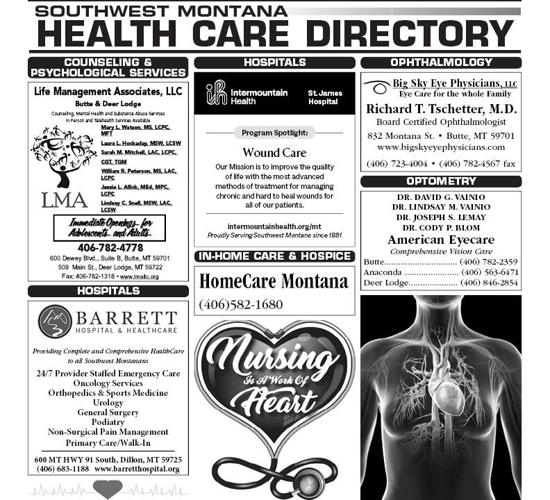
Southwest Montana Health Care Directory