



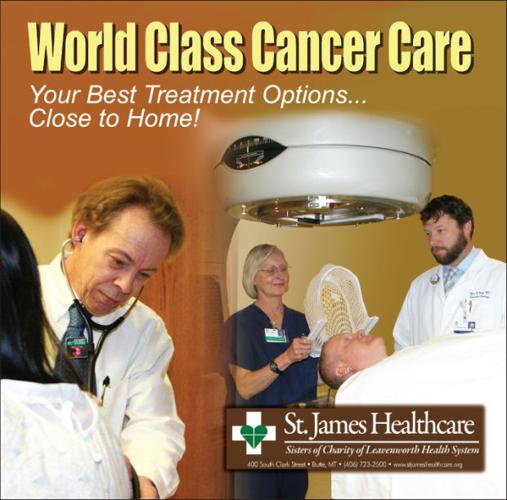
Cancer is one of the most wide-ranging and complex diseases. If you or a loved one has been diagnosed with cancer, it might be hard to decipher all of the best treatment options. Patients will need expert-level care and lots of support. Choosing a place to receive treatment may seem overwhelming. If you or a loved one need the services of a cancer treatment center, here are a few things to consider.
DOCTOR
Following the advice of a doctor is one of the most important steps in treating cancer.
First, choose who will do the treatment. A qualified cancer specialist will guide you through the process, answering questions patiently and accurately. Oftentimes, patients select doctors based on the type of cancer they have been diagnosed with.
Receiving treatment at the center where your specialist practices will be to your advantage. Your doctor will have working relationships with other staff people who will assist you during your treatment and recovery process.
People are also reading…
Insurance coverage is another consideration. Review your policy to verify that your doctor and cancer treatment center are covered by your insurance. Understand the deductibles, co-pays and coverage limits that are already in place. This information will also assist you in the decision-making process.
LOCATION
It is usually best to find a cancer treatment center close to your home.
Treatment may involve lengthy and repetitive chemotherapy or radiation treatments, so traveling for long periods of time will exhaust your body and your bank account.
Sometimes, people believe that big cancer facilities in large cities will offer better treatment, but that is not always the case. Depending on your diagnosis and recommended treatment, you may be able to find comparable treatment close to home.
RECOMMENDATIONS
Unfortunately, cancer affects many people. But, this means that it should be easy to find first-person recommendations about the best treatment centers.
Ask your network of friends and family who have faced a cancer diagnosis -- or supported loved ones through the process. They may have wise advice and detailed impressions about the cancer treatment centers they used. You will be able to get an idea about what to expect and the quality of care you will receive.
SUPPORT SERVICES
Many cancer treatment centers offer a variety of support services for their patients.
Connecting you with nonprofit groups and community health resources will inspire you on the road to recovery. Centers will also set up counseling sessions for caregivers and people going through similar situations. This help goes beyond medical treatment to assist you emotionally and mentally. Most cancer patients and loved ones find these services invaluable.
SPECIALTY TREATMENTS
Finally, some cancer treatment centers offer specialized care.
Many centers are on the leading edge of medical research. Depending on your diagnosis and doctor’s recommendation, you may be a candidate for clinical trials or experimental treatments.
Ask your doctor what trials or treatments might be effective for your particular type of cancer. If necessary, you can allow this information to guide your decision.


